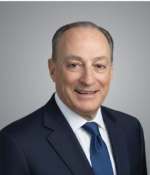

Alan C. Nash, Civil Rights Attorney in Fort Lauderdale, Florida
Over 19 years of legal practice · focused on Civil Rights, Construction, and General · 4.9/5 rating from 13 verified client reviews
ShareholderatMarshall Dennehey
Fort Lauderdale, FL
Practicing civil rights in Fort Lauderdale since 2007.
- 19+
- Years practicing
- 4.9 ★
- 13 client reviews
- 4
- Bar admissions
Are you Alan C. Nash?
This profile was built from public bar records and is still unclaimed. Claim it free to control your photo, bio, and fees — and get client inquiries sent straight to you.
Quick answer
Alan C. Nash is a shareholder based in Fort Lauderdale, FL. The practice focuses on Civil Rights, Construction, and General. Alan has over 19 years of legal experience. Currently practicing at Marshall Dennehey. Rated 4.9 out of 5 from 13 client reviews.
- Based in
- Fort Lauderdale, FL
- Experience
- over 19 years
- Known for
- Civil Rights · Construction · General
- Handles Civil Rights, Construction, and General matters from Fort Lauderdale, FL.
- Over 19 years of practice as a licensed attorney.
- Recognized with AV Preeminent.
About Alan C. Nash: Alan C. Nash is a shareholder based in Fort Lauderdale, FL. The practice focuses on Civil Rights, Construction, and General. Alan has over 19 years of legal experience. Currently practicing at Marshall Dennehey. Rated 4.9 out of 5 from 13 client reviews.
Areas of practice
Practice areas handled by Alan C. Nash
Alan concentrates on civil rights, construction, general, product liability, and real estate. Each area below outlines the kind of case Alan handles, typical outcomes to expect, and how the intake process starts.
Civil Rights
View other Civil Rights attorneys
Construction
View other Construction attorneys
General
View other General attorneys
Product Liability
View other Product Liability attorneys
Real Estate
View other Real Estate attorneys
Civil Rights cases in Fort Lauderdale, Florida
Alan takes civil rights matters in Fort Lauderdale, Florida. Typical engagements include intake calls to scope the issue, review of any records or filings you already have, and a written strategy memo before Alan agrees to represent you.
Construction cases in Fort Lauderdale, Florida
Alan takes construction matters in Fort Lauderdale, Florida. Typical engagements include intake calls to scope the issue, review of any records or filings you already have, and a written strategy memo before Alan agrees to represent you.
General cases in Fort Lauderdale, Florida
Alan takes general matters in Fort Lauderdale, Florida. Typical engagements include intake calls to scope the issue, review of any records or filings you already have, and a written strategy memo before Alan agrees to represent you.
Product Liability cases in Fort Lauderdale, Florida
Alan takes product liability matters in Fort Lauderdale, Florida. Typical engagements include intake calls to scope the issue, review of any records or filings you already have, and a written strategy memo before Alan agrees to represent you.
Real Estate cases in Fort Lauderdale, Florida
Alan takes real estate matters in Fort Lauderdale, Florida. Typical engagements include intake calls to scope the issue, review of any records or filings you already have, and a written strategy memo before Alan agrees to represent you.
Biography
About Alan C. Nash — Over 19 years of Florida civil rights experience
Alan C. Nash is a shareholder based in Fort Lauderdale, FL. The practice focuses on Civil Rights, Construction, and General. Alan has over 19 years of legal experience. Currently practicing at Marshall Dennehey. Rated 4.9 out of 5 from 13 client reviews.
Alan Carroll “A.C.” Nash is a senior civil defense attorney and business leader whose practice focuses on the defense of insureds, corporations, and public entities in complex, high-exposure litigation. He concentrates on negligent security, wrongful death, product liability, automobile and commercial transportation claims, liquor liability, construction liability and premises liability matters.
A.C. also maintains a substantial public-sector and municipal defense practice, representing municipalities and law enforcement agencies in state and federal civil rights litigation, including claims alleging false arrest, malicious prosecution, and excessive force. His experience in this space includes defending matters throughout Florida in both trial and appellate courts.
A.C. serves as the Casualty Supervisor of the Fort Lauderdale office of Marshall Dennehey, where he oversees the day-to-day operations of the casualty department and leads a large team of attorneys handling complex and catastrophic-loss cases. In this role, he is responsible not only for legal strategy and quality control, but also for client relationships, attorney development, and overall practice performance.
Before joining Marshall Dennehey, A.C. was a trial associate at a Fort Lauderdale-based law enforcement and municipal defense firm with more than 30 years of history. Working closely with firm leadership, he played a key role in defending public entities and law enforcement officers in high-stakes civil rights litigation across Florida.
A.C. earned his juris doctor from Florida State University College of Law in 2007. While in law school, he served as a certified legal intern with the Second Judicial Circuit, trying approximately 40 jury and non-jury criminal cases. He was a member and coach of the Mock Trial Team, served as a student ambassador and traveling recruiter, sat on the Dean’s Cabinet, acted as the Fifth Circuit Governor for the American Bar Association, and received the Distinguished Pro Bono Award upon graduation.
A South Florida native, A.C. earned his undergraduate degree in Public Relations from the University of Florida, graduating early. Prior to law school, he worked in public relations and marketing, including managing state and national accounts for a Miami-based firm and later executing advertising and marketing programs for two Fortune 100 companies. This background continues to inform his approach to client development and litigation strategy.
A.C. is deeply committed to mentorship and community involvement. He mentors students at the elementary, secondary, undergraduate, and law school levels and has served in leadership and advisory roles with multiple professional and civic organizations.
Honors & Awards
•AV Preeminent by Martindale-Hubbell
•'Best Mentors Award' by the Daily Business Review (2022)
•The Florida Bar Leadership Academy, fellow (2013 - 2014)
•Florida Legal Elite (2010, 2012)
•Florida Super Lawyer (2019-2025)
•Florida Super Lawyer Rising Star (2012-2018)
•Rated for Civil Litigation by Lead Counsel, a service of Thomson Reuters, 2015
•'Rising Star' by the Daily Business Review (2014)
•Seventeenth Judicial Circuit Professionalism Panel (2017-2025)
•South Florida Legal Guide, Up & Comer (2018-2021)
•Thomson Reuters Stand-Out Lawyer (2025)
Classes & Seminars Taught
•AI: The Cat 5 Storm Affecting Your Claims and Employees, Florida Broward County RIMS Chapter, April 15, 2026
•Negligent Security Claims - Premises Under Attack, Marshall Dennehey Client Seminar, July 25, 2025
•Florida’s New Civil Procedure and Rules, Florida Tampa Bay RIMS Chapter, May 21, 2025
•The Yellow Brick Road to Litigation Success - What Happens When Carriers and Defense Counsel Team Up? CLM Annual Conference, Dallas, TX, April 10, 2025
•Relevant Procedural Rule Changes for Risk Manager, Broward County RIMS Chapter Meeting, Ft. Lauderdale, FL, January 15, 2025
•DE&I - Your Ally in the War for Talent, Florida RIMS Educational Conference, August 1, 2024
•New Florida Tort Reform Changes Under HB 837, Tampa Bay RIMS Chapter Meeting, Tampa, FL, October 18, 2023
•Civil Rights for Uncivil Times, International Association of Claims Professionals (IACP) 2023 Conference, June 22, 2023
•Claims Inflation in Property & Casualty Litigation, ILG 360 London Annual Conference 2023, March 15, 2023
•Talkin' Bout My Generations, RIMS - Broward County Chapter Meeting & Presentation, October 19th, 2022
•Talkin' Bout My Generations, 2022 Florida RIMS Educational Conference, Naples, FL, July 27th, 2022
•Successful Strategies for Effective Mediation, Marshall Dennehey Client Seminar, July 20, 2022
•Roundtable Discussion: Civil Litigation and Nailing On-Campus Interviews, FSU College of Law - Black Law Students Association, November 8, 2021
•Litigation & Trial Considerations When Representing/Defending Law Enforcement, NAPO’s Annual 2021 Legal Seminar, West Palm Beach, FL, October 4, 2021
•Anti-Social Practical Strategies Insurers Can Implement - panel member, 2021 DRI-IADC Virtual Roundtable, September 2021
•Civil Litigation State of Affairs - The Impact of COVID-19 in Florida & What’s Next, Marshall Dennehey Client Webinar, June 2021
•Negligent Security: Foreseeable Crime - Believable Risk, ILG Virtual Conference, March 22, 2021
•56 Feds are Coming: Strategies Using the Upcoming Florida Summary Judgment Standard, Marshall Dennehey Client Webinar, January 15, 2021
•Negligence 101 - A Pennsylvania and Florida Legal Overview, Marshall Dennehey Client Presentation, December 15, 2020
•Negligent Tenants Expose Negligent Landlords, Marshall Dennehey Florida Claims Symposium - Casino Royale, Tampa, FL, September 20, 2018
•Moderator: In-House Counsel Roundtable, DRI Retail & Hospitality Conference, Chicago, IL, May, 2018
•Panelist: Broward County Bar Association - Young Lawyer's Section Boot Camp, June 6, 2017
•Featured Speaker/Panelist: Making The Career Decision That Is Best For You, Atlantic Technical College 2017 College & Career Summit, Ft. Lauderdale, FL, January 26, 2017
•Defending Negligent Security Claims, RIMKUS' 9th Annual CLE/CE Seminar, October 21, 2016
•Negligent Security Claims: If the Crime is Foreseeable, the Risk is Believable, RIMS - Central Florida Chapter, November 19, 2015
•Using Crime Grids in Negligent Security Claims, Marshall Dennehey Florida Claims Symposium - The Best Defense is a Good Offense, Orlando, FL, September 17, 2014
•Diversity for Success Seminar, DRI, Moderator, 2013
•Stand Your Ground Forum, Nova Law School, Moderator, 2012
•Paralegal Program - Professor of Contracts, Legal Research/Writing and Constitutional Law, Brown Mackie College, 2009 - 2010
Published Works
•'Best Mentors: Alan Carroll 'A.C.' Nash Learns the Motivations of his Mentees Before Guiding Them,' the Daily Business Review, May 9, 2022
•'Removing That Slip and Fall Case to Federal Court,' For The Defense, February 2016
•' Negligent Tenants Leave Room for Exposed Landlords, ' Daily Business Review, Personal Injury Special Report, July 27, 2015
•'Let’s Have A Look At The Footage,' Law Enforcement Technology, March 2014, co-author
•'You Slip. You Fall. You Lose. Florida's Updated Transient Foreign Substance Statute,' Defense Digest, Vol. 19, No. 4, December 2013
Pro Bono Activities
•Fort Lauderdale Community Development Corporation, Vice President, 2012
•Fort Lauderdale Community Development Corporation, Board Member, 2008 - Present
Thought Leadership
Defense Digest
On the Pulse...The Blitz Is Coming: Pranks, Perception and the Risk of Draft Day
June 1, 2025
In April, the high-stakes world of the NFL Draft took over the airwaves. Millions were made and fumbled away as each round unfolded. Scouting reports were dissected, 40-yard dash times debated, and the patience of each player was tested. Beyond the fanfare stood a cautionary tale for civil defense lawyers. In litigation, as in football, perception, reputation, and outside interference can blindside the best-prepared team. Shadeur Sanders and his father, Deion, commanded headlines throughout the college football season and into the draft. However, it was Jaxson Ulbrich, son of Falcons defensive coordinator, Jeff Ulbrich, who stole a moment of spotlight both infamously and immaturely. After obtaining a private draft-day phone number, Jaxson prank-called Sanders, whose draft stock had unexpectedly fallen. He claimed that Sanders would be drafted by the Saints but would have to wait. While it was quickly revealed that he had been “trolled,” this event signifies how easily misinformation can spread and how pranks can carry real consequences. The NFL fined Jeff Ulbrich $100,000, and the Falcons organization was fined $250,000. In civil defense cases, surprises, misinformation, public manipulation, and ambush tactics are commonplace. Plaintiff lawyers, while mostly ethical, can sometimes push the envelope. According to the ABA, almost 300,000 lawyers are publicly disciplined for ethical misconduct each year. Therefore, a video that paints your client in unfavorable light, one that it is selectively edited, like Shannon Sharpe alleges, or one that is outright misleading, may become the order of the day. Once public, the reputational harm spreads faster than the truth can catch up. Headlines follow, juries are tainted, and the reputation of your client can plummet overnight. Insurers then start asking hard questions. The call to Sanders wasn’t just a joke. It could be actionable. In Florida and many other jurisdictions, the actions of Ulbrich could possibly be considered tortious interference with a current or prospective business relationship. This tort occurs when a third party intentionally disrupts a known business relationship, thereby causing damages. More specifically, the elements of the tort for tortious interference with a business relationship includes: (1) the existence of a business relationship or contract, (2) knowledge of the business relationship or contract on the part of the defendant, (3) an intentional and unjustified interference with the business relationship, and (4) damages. See Howard v. Murray, 184 So. 3d 1155 (Fla. 1st DCA 2015). An action for tortious interference with a prospective business relationship requires a business relationship evidenced by an actual and identifiable understanding or agreement which, in all probability, would have been completed had the defendant not interfered. See Ferguson Transp., Inc. v. North Am. Van Lines, Inc., 687 So. 2d 821, 822 (Fla. 1996).Although numerous explanations for his draft slide exist (i.e., his lack of a real agent, combine opt-out, alleged poor interviews, etc.), Sanders could argue that the prank compounded doubt, shifted teams’ perceptions about drafting him, and thereby contributed to his slide. The same dynamic applies in tort litigation. When perception turns, the liability profile of a company can collapse, even without wrongdoing. In 2005, Anna Ayala alleged that she found a human finger in her chili at a Wendy’s in California. After a month-long investigation, it was determined that the incident was a hoax orchestrated by Ayala. Unfortunately, Wendy’s suffered work cutbacks as business fell as much as 50% in some areas. In 2020, rumors began on Reddit that Wayfair was allegedly involved in child trafficking. The claims were that their throw pillows and storage cabinets were a front for these nefarious activities. Social media ran with this information, complete with photographs, screen shots, and celebrity statements. The rumors were a hoax. In 2011, not even the Golden Arches was safe. A photo was captured and spread on social media that provided that, as an insurance measure due, in part, to a string of robberies, certain customers would be required to pay an additional fee of $1.50 per transaction. This, too, was a hoax, and McDonald’s stated: “This is, unfortunately, an example of how rumors can out speed the truth. Over the last 48 hours, we've been tweeting and striving to clarify that this is a hoax.” Nevertheless, the public was slow to believe McDonald’s statement, and the hashtag #SeriouslyMcDonalds trended.The law is catching up to the age of virility and meme culture. However, as the aforementioned warnings demonstrate, hoaxes can have impacts that far outlive the “joke.” It can be a draft-day prospect losing millions or a client losing trust; in all scenarios, narrative controls and perception matters. Whether it is Sanders waiting for a life-changing call or a business defending its decades of good will, the threats aren’t always head-on. Sometimes, the blitz is coming from your blindside. Defense Digest, Vol. 31, No. 2, June 2025, is prepared by Marshall Dennehey to provide information on recent legal developments of interest to our readers. This publication is not intended to provide legal advice for a specific situation or to create an attorney-client relationship. ATTORNEY ADVERTISING pursuant to New York RPC 7.1. 2025 Marshall Dennehey. All Rights Reserved. This article may not be reprinted without the express written permission of our firm. For reprints, contact tamontemuro@mdwcg.com.
Legal Update for Florida Civil Litigation
Florida Passes Tort Reform: What You Need to Know
March 27, 2023
On March 24, 2023, Florida Governor Ron DeSantis signed House Bill 837, “Civil Remedies,” into law. HB 837 contains sweeping tort reform that will uproot the landscape of Florida civil litigation. The changes apply to causes of action accruing after the effective date-March 24, 2023. Prior to the bill becoming law, plaintiffs’ firms, anticipating this monumental change, filed approximately 100,000 lawsuits. These filings represent approximately 77% of the total cases filed since January 1, 2023.[1] Below is a brief summary of the changes and the potential impact the new law brings. NEW MODIFIED COMPARATIVE NEGLIGENCE STANDARD HB 837 changes Florida’s standard from “pure” comparative negligence to “modified” comparative negligence. This aligns Florida with a majority of the other states who have already adopted a “modified” comparative negligence standard. This new standard does not apply in medical negligence actions. Previously, a plaintiff was entitled to recover a percentage of damages proportionate to the degree of fault of the defendant. Under “modified” comparative negligence, if a plaintiff is more negligent than the defendant, the plaintiff cannot recover. This new standard will likely reduce the number of cases brought in which the plaintiff was the predominant cause of his or her own harm. TWO-YEAR STATUTE OF LIMITATIONS FOR GENERAL NEGLIGENCE CLAIMS HB 837 amends section 95.11, Florida Statutes, which sets forth the statutes of limitations for various causes of action. The bill now reduces the statute of limitations for general negligence from four years to two years. This may encourage plaintiffs to file suit earlier as plaintiffs and their counsel will prepare their cause of action and evaluate the validity of their claims at an earlier juncture. This will also increase the ability to obtain evidence closer to the time of the alleged incident. Where liability is contested, plaintiffs may be deterred from filing suit sooner. The two-year statute of limitations could also be used as leverage to effectuate earlier settlement and resolution of claims, especially pre-suit. ADMISSIBILITY OF EVIDENCE IN PAST AND FUTURE MEDICAL EXPENSES HB 837 changes the evidence that plaintiffs can introduce to establish past and future medical expenses. Previously, with the exception of services paid by Medicare or Medicaid, plaintiffs were permitted to board the full amount of medical bills charged for services rendered. This was without evidence of any adjustments or reductions and was prior to a post-verdict setoff for adjustments by private insurance. If plaintiffs had Medicare or Medicaid, only the amounts actually paid by Medicare or Medicaid were admissible as evidence of past medical expenses. Now, the evidence offered to prove the amount of damages for past medical bills that have been satisfied is limited to the evidence of the amount actually paid, regardless of the source of payment. For unpaid past medical bills, admissible evidence will depend whether the plaintiff has health care coverage, Medicare, or Medicaid: If plaintiff has health care coverage but obtains treatment under letter of protection or does not submit charges, evidence of amount that health care coverage would have paid to satisfy charges, plus plaintiff’s share of medical expenses, is admissible. Evidence of reasonable amounts that were billed to plaintiff for medically-necessary treatment or services is also admissible. If plaintiff does not have insurance, or has Medicare or Medicaid, evidence of 120 percent of Medicare reimbursement rate in effect is admissible. If there is no applicable Medicare rate, evidence admissible is 170 percent of applicable state Medicaid rate. Damages that may be recovered may not include any amount in excess of the evidence of medical treatment and services expenses admitted. Further, it cannot exceed the sum of amounts actually paid, amounts necessary to satisfy charges due and owing, and the amounts necessary for reasonable and necessary future medical treatment and services. For future medical bills, the “usual and customary” amount also depends on whether the plaintiff has health care coverage: If plaintiff has health care coverage other than Medicare or Medicaid, evidence of amount that could be satisfied if charges were submitted, in addition to portion of medical expenses under insurance contract, is admissible. If plaintiff does not have insurance, or has Medicare or Medicaid, evidence of 120 percent of Medicare reimbursement rate in effect is admissible. If there is no applicable Medicare rate, evidence admissible is 170 percent of applicable state Medicaid rate. LETTERS OF PROTECTION AND REFERRALS MUST BE DISCLOSED If a plaintiff treats under a letter of protection, the letter of protection must be disclosed, as must all bills for medical expenses, which must be itemized and coded. Whether the plaintiff was referred for treatment under the letter of protection must also be disclosed, along with who referred the plaintiff. If the plaintiff is referred for treatment under a letter of protection by their attorney, disclosure of the referral is permitted, notwithstanding the attorney-client privilege, as the financial relationship between the law firm and the medical provider is relevant to the issue of bias of the testifying medical provider. This new law overturns the Florida Supreme Court’s decision in Worley v. Central Florida Young Men’s Christian Ass’n, Inc., 228 So. 2d 18 (Fla. 2017). BAD FAITH - NEW DUTY OF INSUREDS AND IMPACT ON DAMAGES Now, in every bad faith action in Florida, the insured, claimant, and/or their representative have a duty to act in good faith in providing information, making demands, setting deadlines, and attempting to settle the claim. The trier of fact may consider whether the insured, claimant and/or their representative acted in good faith and may reasonably reduce the amount of damages awarded. Mere negligence remains insufficie
How Alan handles civil rights matters
Alan Carroll “A.C.” Nash is a senior civil defense attorney and business leader whose practice focuses on the defense of insureds, corporations, and public entities in complex, high-exposure litigation. He concentrates on negligent security, wrongful death, product liability, automobile and commercial transportation claims, liquor liability, construction liability and premises liability matters.…
The kind of cases Alan takes
Alan reviews new inquiries case-by-case for civil rights, construction, and general matters in Fort Lauderdale and the surrounding Florida area.
Credentials
Alan C. Nash's legal education and bar admissions
Florida State University College of Law
J.D. · 2007
University of Florida
B.S. · 2003
Jurisdictions
Alan's state bar admissions
U.S. District Court
2008 · ACTIVE
U.S. District Court
2008 · ACTIVE
U.S. District Court
2008 · ACTIVE
Florida
2007 · ACTIVE
Alan studied at J.D. in Florida State University College of Law and B.S. in University of Florida.
Law school and academic background
Alan completed J.D. in Florida State University College of Law and B.S. in University of Florida. Formal legal training is one signal of substantive knowledge — the day-to-day practice Alan runs in Florida is where that training gets applied to real client questions.
Recognition
Awards, publications, and recognition of Alan C. Nash
Alan has received 1 formal recognition from bar associations, industry bodies, and peer-review services.
AV Preeminent
Legal awards and honors
AV Preeminent.
Affiliations
Alan's professional memberships and bar associations
J
membership
Reddick Bar Association, Executive Board, 2012 - 2013
membership
2013 - 2014 Year Joined Organization: 2010 Member: Associations & Memberships Broward County Bar Association, 2007 - Present •DRI - Diversity for Success Seminar and Expo Marketing Director, 2013 - Present •DRI - Diversity Committee Chair to the Marketing
bar_fellowship
Locations
Alan C. Nash's office in Fort Lauderdale
Alan's primary office is at 100 Northeast 3rd Avenue, Suite 1100, Fort Lauderdale, FL, 33301. In-person meetings are by appointment; a phone intake usually comes first.
Marshall Dennehey
100 Northeast 3rd Avenue, Suite 1100
Fort Lauderdale, FL 33301
Open in Google MapsClient feedback
Client reviews of Alan C. Nash — 4.9/5 rating from 13 verified client reviews
Every review below is from a verified client of Alan. Reviews cover communication, case outcome, and value — the three signals that matter most when comparing civil rights attorneys in Fort Lauderdale.
4.9
13 client reviews
Client ratings are sourced from public records and editorial research. Reviews on LawyersListed are accepted from verified clients once Alan C. Nash claims this profile.
Read all reviewsHiring guide
How to hire Alan C. Nash — what to expect in your first consultation
Working with a new civil rights attorney should feel structured. Here's how the first two conversations with Alan usually go, from the moment you request a consult to the day representation begins.
Consultation formats and pricing
Alan charges for the initial consult. That fee is credited toward representation if you retain Alan's office.
What to bring to your first meeting
Bring any documents you already have — police reports, medical records, filed pleadings, correspondence from an insurer, a copy of the contract at issue. If you're not sure, err on the side of bringing everything; Alan will tell you what matters and what doesn't.
Questions to ask a civil rights attorney in Fort Lauderdale, Florida
A short list to run through before you commit: How many civil rights matters have you handled in the last year? What's your fee structure? Who else in the office will work on this? What's your realistic estimate of timeline and range of outcomes? How do I reach you between meetings?
Fees & payment
Fees, payment methods, and consultation options for Alan
Alan discusses fees during intake so the arrangement fits the matter. Contingency, hourly, and flat-fee options are all common in civil rights practice — ask which fits.
Hourly rates, contingency fees, and flat-fee options
Every civil rights matter is priced differently. Simple document review might be a flat fee. Injury litigation is often contingency. Complex commercial disputes usually run hourly with a retainer. Alan confirms the model in the engagement letter before any work starts.
Payment methods and payment plans
Alan's office accepts standard payment methods. Ask about payment plans if the retainer is a stretch — many civil rights practices work with clients on structured schedules.
Frequently asked
Frequently asked questions about Alan C. Nash
How much does it cost to hire Alan for a civil rights case?
Cost depends on the type of matter, the fee model (contingency, flat, hourly), and how contested the case becomes. Alan walks through the likely range during the consult so there are no surprises.
Does Alan offer a free consultation?
Alan charges for the initial consult; that fee is credited toward representation if you retain Alan's office. Some civil rights attorneys offer free consults — check Alan's current terms during booking.
How long do civil rights cases in Florida typically take?
Simple civil rights matters can wrap in a few weeks; disputed cases can run 6–18 months from intake to resolution, longer if the matter goes to trial. Alan gives a realistic estimate for your facts at the consult — vague answers here are a red flag.
Can Alan take my case if I'm outside Fort Lauderdale?
Alan is licensed in Florida. Matters governed by Florida law are the natural fit. Out-of-state matters are handled case-by-case, sometimes with local co-counsel. Ask during intake — Alan will tell you if the case is a fit or refer you to someone closer to your court.
What should I bring to my first meeting with Alan?
Bring every document that touches the dispute: contracts, correspondence, police or medical reports, filed pleadings, invoices, photographs, insurance letters. Also bring a written timeline of what happened, in your own words. Alan will filter what matters — over-preparing at intake is always cheaper than needing a second meeting.
Is Alan accepting new civil rights clients right now?
Alan's intake status shifts week to week. Submit the form; the office will confirm availability or refer the matter out.
Areas served
Civil Rights attorneys serving Fort Lauderdale, Miami and Tampa in Florida
Alan handles civil rights matters throughout Florida. Each city below is a direct link into the search page for verified civil rights attorneys in that community.
- Fort Lauderdale6,726 attorneys
- Miami15,918 attorneys
- Tampa9,739 attorneys
- Orlando7,352 attorneys
- Jacksonville5,497 attorneys
- Tallahassee4,383 attorneys
- West Palm Beach3,699 attorneys
- Boca Raton3,668 attorneys
- Coral Gables3,397 attorneys
- Naples2,155 attorneys
- St Petersburg2,098 attorneys
- Sarasota1,994 attorneys
More counsel
Other top-rated civil rights attorneys in Florida
If Alan's intake is full or the fit isn't right, these civil rights attorneys in Fort Lauderdale handle similar matters. Every profile below is verified and open to consultations.